Nature Book BD

Thursday, January 25, 2024

Increasing Climate Awareness Together

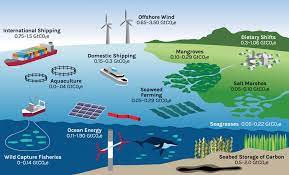
Increasing awareness about climate change is crucial in encouraging individuals and communities to take action. Here are several effective ways to raise awareness:

image


Education and Information Sharing:


Workshops and Seminars: Organize workshops and seminars to educate people about the science behind climate change, its impacts, and the urgency of addressing it.

Online Resources: Create and share online resources, such as articles, infographics, and videos, to make information easily accessible.

Social Media Campaigns:


Hashtags and Challenges: Launch social media campaigns with relevant hashtags to engage a wider audience. Challenges, such as eco-friendly practices or sharing climate change facts, can go viral.

Influencers and Celebrities: Collaborate with influencers and celebrities who can use their platforms to reach a larger audience.

Community Engagement:


Local Events: Organize community events, fairs, or eco-friendly markets to engage people positively and interactively.

Community Workshops: Conduct workshops specifically tailored for local communities to address their unique concerns and solutions.

School Programs:


Curriculum Integration: Advocate for the integration of climate change topics into school curricula to ensure that young people are educated on the subject from an early age.

Youth Engagement: Empower students to become climate change ambassadors through clubs, projects, or awareness campaigns within schools.

Art and Culture:


Art Exhibitions: Host art exhibitions that showcase the impacts of climate change and potential solutions.

Music and Performances: Use music, theater, and other performing arts to convey the message of climate change creatively and engagingly.

Policy Advocacy:


Support and Promote Policies: Advocate for policies at the local, national, and international levels that address climate change and promote sustainability.

Engage with Decision-Makers: Encourage community members to engage with political leaders to express the importance of climate action.

Collaboration with NGOs:


Partnerships: Collaborate with environmental organizations and NGOs to leverage their expertise, resources, and networks.

Joint Campaigns: Join forces with other organizations for joint awareness campaigns, making a larger impact.

Interactive Technology:


Apps and Games: Develop educational apps and games that teach about climate change and sustainable practices interactively and engagingly.

Local Success Stories:


Showcase Local Solutions: Highlight local success stories of communities or individuals implementing sustainable practices to inspire others.

Personal Action:


Encourage Sustainable Practices: Promote individual actions such as reducing carbon footprints, adopting sustainable lifestyles, and supporting eco-friendly products.

Remember that raising awareness is an ongoing process, and a combination of these strategies can be effective in reaching diverse audiences and inspiring positive action.

Wednesday, January 24, 2024

Nature Care: Urgent Actions

 Taking care of nature is essential for the well-being of our planet and all its inhabitants. As of my last knowledge update in January 2022, several urgent environmental issues require attention and action. These include:
image


Climate Change: Global warming is causing rising temperatures, extreme weather events, and disruptions to ecosystems. Mitigating climate change involves reducing greenhouse gas emissions and transitioning to sustainable energy sources.


Biodiversity Loss: Many species are facing extinction due to habitat destruction, pollution, and climate change. Conservation efforts are crucial to preserving biodiversity and maintaining the balance of ecosystems.


Deforestation: Large-scale deforestation contributes to habitat loss, disrupts ecosystems, and releases stored carbon into the atmosphere. Sustainable forestry practices and reforestation efforts are essential for combating deforestation.


Pollution: Air, water, and soil pollution have severe consequences for both the environment and human health. Reducing pollution involves implementing strict regulations, promoting sustainable practices, and adopting cleaner technologies.


Resource Depletion: Overexploitation of natural resources, such as water, minerals, and fossil fuels, is unsustainable. Efforts to promote responsible resource management and develop alternative, renewable resources are critical.


Plastic Pollution: The widespread use of single-use plastics has led to pollution in oceans and land. Addressing this issue requires reducing plastic consumption, recycling, and developing eco-friendly alternatives.


Sustainable Agriculture: Conventional agricultural practices can lead to soil degradation, water pollution, and loss of biodiversity. Implementing sustainable and regenerative agriculture practices is crucial for ensuring food security without compromising the environment.


Oceans Conservation: Oceans are facing threats from overfishing, pollution, and climate change. Conservation measures, marine protected areas, and sustainable fishing practices are essential for preserving marine ecosystems.


Renewable Energy Transition: Shifting from fossil fuels to renewable energy sources is vital for reducing carbon emissions and mitigating climate change. Investing in and promoting the use of solar, wind, and other clean energy technologies is crucial.


Environmental Education and Advocacy: Raising awareness about environmental issues and advocating for sustainable practices are essential components of addressing the challenges facing nature. Individuals and communities can contribute by making informed choices and supporting policies that promote environmental conservation.


It's important to note that these issues are interconnected, and addressing them requires a collaborative effort from individuals, communities, businesses, and governments worldwide. Stay informed, support sustainable practices, and actively participate in efforts to protect and preserve our natural environment.


Wednesday, January 17, 2024

Helping Nature: Sustainable Tips

 Helping nature involves adopting sustainable practices and making choices that minimize negative impacts on the environment. Here are some ways you can contribute to the well-being of nature:


Reduce, Reuse, Recycle:


Reduce: Minimize your consumption of resources. Buy only what you need, and avoid unnecessary packaging.

Reuse: Whenever possible, reuse items instead of throwing them away.

Recycle: Properly dispose of recyclable materials and support recycling programs in your community.

Conserve Energy:

Use energy-efficient appliances and light bulbs.

Turn off lights, electronics, and appliances when not in use.

Consider using renewable energy sources, such as solar or wind power.

Water Conservation:

Fix leaks and use water-saving appliances.

Be mindful of water usage in daily activities, such as washing dishes or taking showers.

Consider collecting rainwater for use in gardens.

Support Sustainable Practices:

Choose products that are sustainably sourced and produced.

Support companies and businesses that prioritize environmentally friendly practices.

Plant Trees and Maintain Green Spaces:

Participate in tree-planting initiatives.

Advocate for the preservation of green spaces in urban areas.

Wildlife Conservation:

Respect wildlife habitats and observe animals from a safe distance.

Support organizations working to protect endangered species and their habitats.

Use Eco-Friendly Transportation:

Opt for public transportation, carpooling, biking, or walking.

Choose fuel-efficient or electric vehicles if possible.

Educate Yourself and Others:

Stay informed about environmental issues.

Share your knowledge with friends and family to raise awareness.

Reduce Single-Use Plastics:

Minimize the use of single-use plastics, such as bags, bottles, and straws.

Choose reusable alternatives whenever possible.

Participate in Community Cleanups:

Join or organize community cleanups to remove litter and pollutants from natural areas.

Practice Sustainable Agriculture:

Support local and organic farmers.

Choose sustainably produced food items and reduce meat consumption if possible.

Advocate for Environmental Policies:

Stay informed about local and national environmental policies.

Advocate for policies that promote conservation, sustainability, and the protection of natural resources.

Remember, individual actions collectively make a significant impact. By incorporating these practices into your daily life and encouraging others to do the same, you contribute to the well-being of our planet.


Friday, November 10, 2023

Humans' indifference to nature


It's important to note that individuals vary in their attitudes and behaviors towards nature, and generalizing about all humans may not capture the diversity of perspectives. However, there are several factors that can contribute to a perceived lack of concern or care about nature in some individuals or societies:


Disconnect from Nature: In modern urbanized societies, many people may feel disconnected from nature due to living in environments dominated by technology and infrastructure. This disconnect can lead to a reduced awareness of and concern for natural ecosystems.


Prioritization of Immediate Needs: People often prioritize immediate needs, such as employment, housing, and food, over long-term environmental concerns. When individuals are struggling with day-to-day challenges, they may not have the luxury of focusing on broader ecological issues.


Lack of Awareness: Some individuals may be unaware of the extent of environmental issues or the impact of their actions on nature. Education and awareness campaigns can play a crucial role in addressing this lack of knowledge.


Economic Interests: Economic considerations, such as profit motives, can sometimes lead to the exploitation of natural resources without adequate consideration for long-term sustainability. This is often seen in industries that prioritize short-term gains over environmental preservation.


Consumerism: Societal norms and values that emphasize consumerism and materialism can contribute to a culture of overconsumption and waste, which can negatively impact the environment.


Globalization: The interconnectedness of the global economy can make it challenging for individuals to see the direct consequences of their actions on distant ecosystems. This lack of a direct link can reduce the perceived impact of individual choices.


Political and Policy Factors: The absence of strong environmental policies or the lack of enforcement of existing regulations can contribute to a perception that environmental issues are not a priority.


Psychological Distance: Some psychological theories propose that people tend to prioritize issues that are psychologically closer to them in terms of time, space, or social connection. Environmental issues, especially global ones, may feel psychologically distant to some individuals.


It's essential to recognize that many people do care about nature, and there are numerous individuals, organizations, and movements actively working towards environmental conservation and sustainability. Encouraging education, awareness, and sustainable practices can contribute to fostering a greater sense of care for the natural world.

Wednesday, August 9, 2023

Nature's Role in World

 Nature plays a crucial role in supporting and sustaining our world in a multitude of ways. Here are some of the key ways in which nature helps our world:


Biodiversity and Ecosystem Services: Nature is incredibly diverse, with millions of species and intricate ecosystems. Biodiversity provides essential ecosystem services such as pollination, water purification, soil fertility, and pest control, which are critical for agriculture, food production, and overall ecosystem health.


Climate Regulation: Natural systems, including forests, wetlands, and oceans, help regulate the Earth's climate by absorbing carbon dioxide (a major greenhouse gas) and releasing oxygen through photosynthesis. Forests, in particular, act as carbon sinks and play a significant role in mitigating climate change.

Air and Water Quality: Natural landscapes like forests and wetlands act as natural filters, improving air and water quality by capturing pollutants and toxins. They help reduce the impact of pollution on human health and the environment.

Flood Control and Erosion Prevention: Natural features such as wetlands, mangroves, and natural vegetation help absorb excess water during heavy rains and storms, reducing the risk of flooding and erosion in vulnerable areas.

Medicinal Resources: Many of the world's pharmaceuticals are derived from natural sources, such as plants, fungi, and marine organisms. Nature provides a vast array of compounds that have been used to develop medications for various illnesses and diseases.

Cultural and Aesthetic Value: Natural landscapes provide aesthetic, recreational, and cultural benefits. They offer places for relaxation, inspiration, and spiritual reflection, contributing to human well-being and mental health.

Food and Agriculture: Natural ecosystems, including forests, grasslands, and oceans, support diverse plant and animal species that are important for global food security. Many staple foods, as well as fish and seafood, are sourced from natural habitats.

Genetic Diversity: Natural ecosystems are a reservoir of genetic diversity that can be vital for developing resilient crops and livestock in the face of changing environmental conditions and emerging diseases.

Climate Adaptation: Coastal ecosystems like mangroves and coral reefs act as natural barriers against storm surges and sea-level rise, helping protect coastal communities from the impacts of climate change.

Recreation and Tourism: Natural areas like national parks, forests, and beaches attract tourists and provide recreational opportunities such as hiking, camping, birdwatching, and more, contributing to local economies.

Scientific Understanding: Studying natural ecosystems and their interactions provides valuable insights into various scientific fields, including ecology, biology, and climatology. This knowledge is crucial for understanding the natural world and making informed decisions about its conservation.

In summary, nature is interconnected with all aspects of our world, providing essential services, resources, and benefits that sustain life and support human well-being. Conserving and protecting these natural systems is critical for maintaining a healthy and thriving planet.

Friday, June 16, 2023

Nature outside of Earth

 Nature outside of Earth, also known as extraterrestrial nature, refers to the natural environments and ecosystems that exist beyond our planet. While our understanding of extraterrestrial nature is limited, there are a few places and phenomena in the universe that exhibit elements of nature.

img


Other Planets and Moons: Various planets and moons in our solar system have natural landscapes and geological features. For example, Mars has vast deserts, polar ice caps, and ancient riverbeds. Jupiter's moon Europa is believed to have a subsurface ocean, and Saturn's moon Titan has lakes and rivers of liquid methane.


Exoplanets: Exoplanets are planets that orbit stars outside of our solar system. Some of these exoplanets are located within the habitable zone of their star, where conditions might be suitable for the existence of liquid water and potentially life. While we haven't directly observed their nature, we can infer their existence through indirect methods.


Interstellar Space: The space between stars contains gas, dust, and cosmic structures. Nebulas, for example, are vast clouds of gas and dust where new stars are born. These interstellar environments play a crucial role in the life cycle of stars and the formation of planetary systems.


Black Holes: While not typically associated with traditional nature, black holes are fascinating astronomical objects. They are formed from the collapse of massive stars and have an intense gravitational pull that can distort space-time. Some supermassive black holes are surrounded by accretion disks, which are swirling masses of gas and dust.


It's important to note that our knowledge of extraterrestrial nature is based on scientific observations, space missions, and theoretical models. As technology advances, our understanding of the universe and the potential for discovering more diverse and complex forms of extraterrestrial nature may increase.

Thursday, June 15, 2023

The Human Connection to Nature: A Harmonious Bond

 Humans, intricately woven into the tapestry of life, are an integral part of nature's symphony. They are not mere spectators but active participants in the grand dance of the natural world. Connected by an unbreakable thread, humans and nature share a profound and symbiotic relationship, shaping and influencing each other in profound ways.

img


At their very core, humans are products of nature's ingenuity. They emerge from the same primordial origins as the towering trees, the shimmering rivers, and the majestic creatures that inhabit the Earth. From the composition of their bodies to the intricate mechanisms that sustain their existence, humans are harmoniously intertwined with the natural world.


Every breath humans take is a testament to their dependence on nature. The air they inhale, purified by the lush foliage and vast oceans, fills their lungs, invigorating their bodies with the essential elements of life. The water that quenches their thirst, flowing from mountains to rivers, carries the stories of distant lands and nourishes their very being.


In nature's embrace, humans find solace and rejuvenation. Immersed in verdant landscapes, they witness the gentle sway of grasses, the symphony of birdsong, and the mesmerizing hues of a sunset. Through these encounters, humans find respite from the chaos of their lives, finding balance and peace amidst the natural rhythms that surround them.


But humans are not passive observers; they are active participants in the delicate web of life. They possess a profound influence on their environment, shaping the landscape with their ingenuity and reshaping ecosystems with their actions. Yet, it is crucial that they recognize their role as caretakers, as custodians of the natural world, ensuring that their impact aligns with the principles of sustainability and preservation.


Human culture, too, is intricately linked to nature. Throughout history, humans have drawn inspiration from the natural world, harnessing its beauty and bounty to create art, music, literature, and architecture. Nature's awe-inspiring landscapes have sparked the flames of imagination and have served as a wellspring of creativity, enabling humans to weave stories and myths that speak to their deepest desires and fears.


Moreover, the well-being of humans is profoundly intertwined with the health of the natural environment. Nature provides not only physical sustenance but also healing and restoration for the human spirit. Scientific studies have revealed the therapeutic benefits of spending time in nature, reducing stress, improving mental health, and fostering a sense of connectedness to the world around them.


As humans recognize their interconnectedness with nature, a growing movement emerges—an urge to conserve, protect, and restore the fragile ecosystems that support all life. By embracing sustainable practices, harnessing renewable resources, and championing conservation efforts, humans strive to forge a harmonious coexistence with the natural world, ensuring a legacy of abundance for generations to come.


In essence, humans are an integral part of nature's intricate tapestry. They are not separate entities but rather an essential thread woven into the fabric of life. As they acknowledge their profound connection to the natural world, humans can embrace their role as stewards, cherishing and safeguarding the beauty, diversity, and resilience that nature offers, creating a world where harmony and balance prevail.

Thursday, June 1, 2023

Nature provides

 Nature provides numerous benefits to humans. Here are some of the ways nature contributes to our well-being:

img

Provision of Resources: Nature supplies us with essential resources such as clean air, water, food, and materials for shelter, clothing, and medicine. Forests, oceans, and ecosystems provide a wealth of natural resources that sustain our lives and support industries.


Climate Regulation: Natural ecosystems help regulate the Earth's climate by absorbing carbon dioxide and releasing oxygen through photosynthesis. Forests, wetlands, and oceans act as carbon sinks, mitigating the impact of greenhouse gas emissions and helping to stabilize global temperatures.


Air and Water Purification: Trees and plants filter pollutants from the air, improving air quality. Wetlands and natural water bodies act as filters, purifying water by removing contaminants and excess nutrients, thus ensuring the availability of clean drinking water.


Biodiversity and Ecosystem Services: Nature encompasses a vast array of species and ecosystems, constituting biodiversity. Biodiversity is essential for maintaining ecological balance, pollination of crops, natural pest control, soil fertility, and nutrient cycling. These ecosystem services are critical for food production, agriculture, and overall environmental health.


Recreational and Aesthetic Value: Nature offers recreational opportunities and serves as a source of inspiration and beauty. Parks, forests, mountains, beaches, and other natural landscapes provide spaces for relaxation, outdoor activities, and connection with the natural world.


Mental and Physical Health Benefits: Spending time in nature has been linked to various health benefits. It reduces stress, improves mood, boosts cognitive function, and enhances overall well-being. Nature therapy, such as forest bathing, has gained popularity for its positive effects on mental and physical health.


Economic Importance: Nature-based industries such as tourism, agriculture, fisheries, and forestry contribute significantly to the global economy. Nature's resources and attractions draw visitors, create jobs, and stimulate economic growth in many regions.


Inspiration for Innovation: Nature has served as a source of inspiration for human inventions and technological advancements. Observing and studying natural systems have led to innovative solutions in various fields, including engineering, design, medicine, and sustainable practices.


It is crucial
to recognize the value of nature and protect it for future generations, as our well-being is deeply interconnected with the health and preservation of the natural world.

Thursday, May 11, 2023

Power of Nature

 The power of nature refers to the extraordinary forces and capabilities inherent in the natural world. It encompasses the immense energy, processes, and phenomena that shape our planet and influence all forms of life. Here are a few aspects that demonstrate the power of nature:


Weather and Climate: Nature exhibits power through weather patterns and climate systems. Hurricanes, tornadoes, thunderstorms, blizzards, and monsoons showcase atmospheric forces' immense energy and destructive potential.


Earthquakes and Volcanoes: The tectonic activity within the Earth's crust leads to seismic events such as earthquakes and volcanic eruptions. These natural occurrences can cause significant devastation and reshape landscapes.

img


Oceans and Water Bodies: The vast bodies of water on our planet, such as oceans, seas, and rivers, possess immense power. Tidal forces, powerful currents, and storm surges exhibit the raw energy of nature.


Natural Disasters: Nature's power is evident in natural disasters like tsunamis, landslides, avalanches, wildfires, and floods. These events can have catastrophic consequences for ecosystems and human settlements.


Biological Diversity: The diversity of life forms on Earth is a testament to the power of nature. The ability of organisms to adapt, evolve, and thrive in different environments showcases the inherent strength of natural processes.


Geological Processes: Nature shapes the Earth through geological processes like erosion, sedimentation, and the formation of mountains. These processes occur over vast timescales, illustrating the immense power of nature's slow transformative forces.


Renewable Energy: Nature provides us with abundant sources of renewable energy, such as solar, wind, hydroelectric, and geothermal power. Harnessing these resources showcases the potential for sustainable energy generation.


Overall, the power of nature encompasses the remarkable forces and phenomena that shape our world. it can inspire awe and admiration while reminding us of our need to respect and protect the delicate balance of our natural environment.  


Wednesday, May 10, 2023

Protecting from Disasters

 To protect ourselves from disasters, it is important to take both preventive and preparatory measures. Here are some steps you can take to protect yourself and your community from various types of disasters:


Stay Informed: Stay aware of the different types of disasters that can occur in your area. Monitor local news, weather forecasts, and emergency notifications to stay informed about potential risks.


Create a Disaster Plan: Develop a comprehensive plan for your household or community that includes specific steps to take before, during, and after a disaster. Consider evacuation routes, emergency contacts, and a communication plan.


Build an Emergency Kit: Prepare an emergency kit with essential supplies, including non-perishable food, water, medication, first aid supplies, batteries, flashlights, and important documents. Make sure to regularly check and update the kit as needed.

img


Secure Your Property: Take measures to protect your property from potential hazards. This may include reinforcing your home against earthquakes, installing storm shutters or impact-resistant windows, clearing gutters and drains, and trimming trees near power lines.


Develop a Communication Plan: Establish a communication plan with your family, friends, and neighbors. Agree on a meeting place in case of separation, and have a designated out-of-area contact whom everyone can reach to provide updates and check on each other's safety.


Learn Life-Saving Skills: Take the time to learn basic first aid and CPR techniques. Knowing these skills can help you provide immediate assistance to injured individuals until professional help arrives.


Insurance Coverage: Review your insurance policies to ensure you have adequate coverage for different types of disasters. Consider purchasing additional coverage if necessary, such as flood insurance or earthquake insurance, depending on your location.


Practice Evacuation Drills: If you live in an area prone to certain types of disasters, practice evacuation drills with your family or community. Familiarize yourself with evacuation routes and have a plan for where to go and how to reach a safe location.


Participate in Community Preparedness Programs: Engage with local emergency management organizations and community groups involved in disaster preparedness. Participate in training sessions, workshops, or drills to enhance your knowledge and skills.


Maintain Critical Systems: Regularly inspect and maintain critical systems in your home, such as electrical wiring, gas connections, and fire extinguishers. Install smoke detectors and carbon monoxide detectors, and test them regularly.


Remember, preparedness is crucial in minimizing the impact of disasters. By taking these steps, you can better protect yourself, your loved ones, and your community when faced with a disaster.


Tuesday, May 9, 2023

Pollution-Free World Initiative


 Making the world pollution-free requires collective efforts and a combination of individual actions, technological advancements, and policy changes. Here are some key steps that can help in this endeavor:

image


Promote Renewable Energy: Transitioning from fossil fuels to renewable energy sources such as solar, wind, and hydropower is crucial. Governments and individuals should support the development and adoption of clean energy technologies.


Energy Efficiency: Improving energy efficiency in industries, transportation, and buildings can significantly reduce pollution. This can be achieved through measures such as better insulation, energy-efficient appliances, and fuel-efficient vehicles.


Sustainable Transportation: Encouraging the use of public transportation, cycling, walking, and electric vehicles can help reduce air pollution and greenhouse gas emissions from the transportation sector.


Waste Management: Implementing effective waste management strategies, including recycling, composting, and reducing waste generation, can minimize pollution and environmental degradation.


Reforestation and Conservation: Planting trees and protecting existing forests help absorb carbon dioxide and improve air quality. Conserving natural habitats and biodiversity is also essential for a balanced ecosystem.


Sustainable Agriculture: Promoting organic farming practices, minimizing the use of pesticides and fertilizers, and adopting agroforestry techniques can help reduce pollution caused by agriculture.


Industrial Regulations: Governments should enforce stricter regulations on industries to reduce pollution levels. This can include setting emissions standards, promoting cleaner production processes, and implementing penalties for non-compliance.

img


Education and Awareness: Raising awareness about pollution and its impact on the environment and human health is crucial. Education can empower individuals to make informed choices and adopt sustainable practices.


International Cooperation: Pollution is a global problem that requires international cooperation. Governments, organizations, and individuals should collaborate to share knowledge, resources, and best practices to address pollution on a global scale.


Policy Changes: Governments need to develop and enforce policies that prioritize environmental protection and pollution reduction. This can involve implementing carbon pricing mechanisms, providing incentives for green technologies, and supporting research and development in clean energy.


Remember, making the world pollution-free is a long-term goal that requires commitment and persistent efforts from individuals, communities, businesses, and governments worldwide. Every small step towards reducing pollution counts and contributes to a cleaner and healthier planet.


Thursday, February 23, 2023

Helping rivers and climate

 Rivers are an essential component of the earth's ecosystem, serving as a vital source of water for millions of people, plants, and animals. However, in recent years, climate change has had a significant impact on the health of rivers and other freshwater systems. Rising temperatures, erratic weather patterns, and changing precipitation levels have all contributed to the decline of river health. In this article, we will discuss how we can help rivers in the face of climate change.


Reduce carbon emissions

One of the most important ways we can help rivers is by reducing carbon emissions. Climate change is caused by the buildup of greenhouse gases in the atmosphere, primarily carbon dioxide (CO2). Carbon emissions come from a variety of sources, including transportation, industry, and agriculture. By reducing our carbon footprint, we can slow down the pace of climate change, which will help rivers and other freshwater systems.


Support renewable energy

Another way to reduce carbon emissions is to support the transition to renewable energy. Renewable energy sources, such as solar and wind power, emit little or no carbon dioxide. By using more renewable energy, we can reduce the number of carbon emissions we produce and reduce the negative impact of climate change on rivers and other freshwater systems.


Plant trees and vegetation

Forests and other vegetation play a critical role in maintaining the health of rivers. Trees and other vegetation help to absorb excess water, prevent erosion and filter out pollutants. They also provide habitat for wildlife and help to regulate the temperature of rivers. By planting more trees and vegetation, we can help to protect rivers and other freshwater systems from the effects of climate change.


Reduce water consumption

Reducing water consumption is another way to help rivers in the face of climate change. As temperatures rise and precipitation patterns change, water becomes scarcer in many parts of the world. By reducing our water consumption, we can help to ensure that there is enough water for rivers and other freshwater systems. This can be achieved by taking shorter showers, fixing leaks, and using water-efficient appliances.


Support river conservation efforts

There are many organizations working to protect rivers and other freshwater systems from the negative impact of climate change. By supporting these organizations, we can help to ensure that rivers are protected for future generations. We can donate to organizations working to protect rivers and other freshwater systems, volunteer our time, and advocate for policies that support river conservation.


Reduce plastic pollution

Plastic pollution is a major problem for rivers and other freshwater systems. Plastic waste can clog waterways, harm wildlife, and release harmful chemicals into the water. By reducing our use of plastic and properly disposing of plastic waste, we can help to protect rivers and other freshwater systems.


Support sustainable agriculture

Agriculture is a major source of water pollution, with fertilizers and pesticides washing into rivers and other freshwater systems. By supporting sustainable agriculture practices, such as organic farming and crop rotation, we can help to reduce the negative impact of agriculture on rivers.


Reduce urban runoff

Urban runoff is another major source of water pollution. As rainwater flows across urban surfaces, it picks up pollutants such as oil, trash, and chemicals, which are then carried into rivers and other freshwater systems. By reducing urban runoff through the use of green infrastructure, such as rain gardens and permeable pavement, we can help to protect rivers and other freshwater systems.


Monitor and report pollution

Finally, we can help to protect rivers and other freshwater systems by monitoring and reporting pollution. If we notice pollution in a river or other freshwater system, we should report it to the appropriate authorities. This can help to ensure that the pollution is addressed and the river is protected.


In conclusion, rivers are a vital component of the earth's ecosystem, and climate change poses a significant threat to their health.

Planting Trees for Climate Change

 Climate change is one of the most significant threats facing our planet today, and it has been linked to a wide range of environmental problems, including rising temperatures, extreme weather events, and rising sea levels. One of the most effective ways to combat climate change is to plant trees and engage in other types of reforestation efforts. In this article, we will explore how planting trees and other types of vegetation can help combat climate change and provide some practical tips for starting your own reforestation project.


The Importance of Planting Trees


Planting trees is an important tool in the fight against climate change for several reasons. First, trees absorb carbon dioxide (CO2) from the atmosphere during photosynthesis and use it to produce the energy they need to grow. By removing CO2 from the atmosphere, trees help to reduce the concentration of this greenhouse gas, which is one of the primary drivers of global warming.


Second, trees also store carbon in their biomass and in the soil beneath them. As trees grow, they store more and more carbon, and when they die, the carbon is gradually released back into the atmosphere. However, if new trees are planted to replace the old ones, the cycle of carbon storage and release can continue, keeping the carbon out of the atmosphere for decades or even centuries.


Third, trees also play an important role in regulating local and regional climate patterns. They do this by providing shade, which can help to cool the air and reduce the urban heat island effect. They also release water vapor through a process known as transpiration, which can help to cool the air and increase humidity levels. This can be particularly important in dry regions where drought is a major problem.


Starting Your Own Reforestation Project


If you are interested in helping to combat climate change by planting trees, there are several things you can do to get started. Here are some practical tips to consider:


Identify a Suitable Location

The first step in starting a reforestation project is to identify a suitable location. Ideally, you will want to choose a location that has been deforested or degraded in some way and that is not currently being used for any other purpose. This could be a patch of land that has been cleared for agriculture or development, for example, or it could be an area that has been damaged by a natural disaster, such as a forest fire or hurricane.


Choose the Right Species

Once you have identified a suitable location, the next step is to choose the right species of trees to plant. This will depend on a variety of factors, including the climate, soil type, and local biodiversity. Some species of trees are better suited to certain types of soil or climate conditions than others, so it is important to do some research and choose the species that will thrive in the area where you plan to plant them.


Plant the Trees

Once you have chosen the right species of trees, the next step is to plant them. Depending on the size of the area you are planting and the number of trees you are planting, this can be a labor-intensive process that may require the help of volunteers or a professional planting service. It is important to follow best practices for tree planting, including preparing the soil, spacing the trees properly, and watering them regularly until they become established.


Monitor and Maintain the Trees

After the trees have been planted, it is important to monitor and maintain them to ensure their long-term survival. This may include regular watering, pruning, and fertilizing, as well as protecting the trees from pests, disease, and other threats. It is also important to monitor the carbon sequestration and other environmental benefits of the reforestation project over time.


Conclusion


Planting trees and engaging in other types of reforestation efforts can be an effective way to combat climate change.

Solving Climate Change

 Climate change is one of the most pressing challenges facing our world today, and it will require a concerted global effort to address it effectively. This issue is characterized by the accumulation of greenhouse gases, such as carbon dioxide, in the atmosphere, leading to increased temperatures, rising sea levels, and changes in weather patterns that threaten food supplies, human health, and biodiversity.


The root cause of climate change is the burning of fossil fuels for energy, transportation, and other purposes. Therefore, to address climate change, we need to reduce our dependence on fossil fuels and transition to renewable energy sources such as solar, wind, and hydropower.

One of the most important steps we can take to solve climate change is to reduce our greenhouse gas emissions. This requires action at all levels, from individual households and businesses to national governments and international organizations. There are several ways in which we can achieve this goal.


First, we need to reduce our reliance on fossil fuels. This can be achieved by transitioning to renewable energy sources such as solar, wind, and hydropower. Governments can encourage this transition by providing incentives and subsidies for renewable energy projects and by phasing out subsidies for fossil fuel industries.

Second, we need to improve energy efficiency in buildings, transportation, and industry. This can be achieved through measures such as insulation, energy-efficient appliances, public transportation, and efficient industrial processes. Governments can encourage energy efficiency by setting standards and providing incentives for energy-efficient technologies.

Third, we need to reduce emissions from agriculture and deforestation. This can be achieved by promoting sustainable farming practices, reducing food waste, and protecting forests and other natural ecosystems. Governments can provide support for these initiatives through subsidies and incentives.

Fourth, we need to shift our consumption patterns towards more sustainable products and services. This can be achieved by promoting sustainable lifestyles, reducing consumption of meat and dairy products, and promoting circular economies that minimize waste and encourage recycling. Governments can support these efforts through education campaigns and policies that encourage sustainable consumption.

Fifth, we need to invest in research and development to advance new technologies and innovations that can help us solve climate change. This includes developing new renewable energy technologies, improving energy storage systems, and developing new materials and processes that can reduce emissions from industry.


In addition to these measures, we need to build resilience to the impacts of climate change that are already occurring. This includes improving infrastructure to withstand extreme weather events such as floods and storms, developing early warning systems for natural disasters, and adapting agricultural practices to changing weather patterns.


To achieve these goals, we need to work together at all levels, from individuals and communities to governments and international organizations. This requires strong leadership and political will, as well as public support for action on climate change.


International cooperation is essential to solving climate change, as greenhouse gases do not respect national borders. The Paris Agreement, adopted in 2015, provides a framework for international cooperation on climate change, with the goal of limiting global warming to well below 2 degrees Celsius above pre-industrial levels. To achieve this goal, countries have committed to reducing their greenhouse gas emissions and regularly reporting on their progress.


However, there is still much work to be done to achieve the goals of the Paris Agreement and to solve climate change. Governments need to take more ambitious action to reduce emissions and transition to renewable energy, and individuals and businesses need to make changes in their own behavior and practices. We need to continue to invest in research and development to advance new technologies and innovations, and we need to build resilience to the impacts of climate change that are already occurring.


In conclusion, solving climate change is one of the greatest challenges of our time, and it will require a concerted global effort to address it effectively. We need to reduce our greenhouse gas emissions by transitioning to renewable energy sources, improving energy efficiency, reducing emissions from agriculture, and def etc.

read more: https://naturebookbd.blogspot.com/2023/02/helping-rivers-and-climate


Why Climate change

 Climate change is one of the most pressing issues facing the planet today, and its impacts are being felt in a variety of ways. From more extreme weather events to rising sea levels, climate change is already having serious consequences for people and ecosystems around the world. In this essay, we will explore some of the key reasons why climate change is happening and why it is so important that we take action to address it.


First and foremost, climate change is being driven by human activities, particularly the burning of fossil fuels like coal, oil, and gas. When these fuels are burned, they release large amounts of greenhouse gases like carbon dioxide into the atmosphere. These gases trap heat from the sun, causing the planet to warm up over time. This warming is causing a wide range of impacts, including more frequent and severe heatwaves, droughts, and wildfires.


In addition to fossil fuel burning, other human activities like deforestation and agriculture are also contributing to climate change. Deforestation releases carbon dioxide into the atmosphere and reduces the planet's ability to absorb carbon dioxide from the atmosphere through photosynthesis. Agriculture, particularly livestock production, also produces large amounts of methane, a potent greenhouse gas that is contributing to climate change.


One of the biggest challenges with addressing climate change is that its impacts are often slow and gradual, making it difficult for people to see the problem's urgency. However, as extreme weather events like hurricanes and wildfires become more frequent and severe, it is becoming increasingly clear that we cannot afford to ignore this issue any longer. Climate change is already causing significant economic and social costs, and if we do not take action soon, these costs are only going to increase.


Fortunately, there are many things that we can do to address climate change. One of the most important steps is to transition away from fossil fuels and towards clean, renewable energy sources like wind, solar, and hydropower. This will not only help reduce greenhouse gas emissions but also create new jobs and stimulate economic growth.


Another important step is to improve energy efficiency in buildings, vehicles, and other infrastructure. By using less energy to do the same tasks, we can reduce our greenhouse gas emissions and save money on energy bills at the same time.


Finally, we need to work to protect and restore natural ecosystems like forests, wetlands, and oceans, which can absorb and store large amounts of carbon dioxide from the atmosphere. This will not only help to mitigate climate change, but it will also provide essential benefits like clean air and water, biodiversity, and recreational opportunities.


In conclusion, climate change is a complex and urgent issue that requires immediate action from individuals, businesses, and governments around the world. By transitioning to clean energy sources, improving energy efficiency, and protecting natural ecosystems, we can help to mitigate the worst impacts of climate change and create a more sustainable future for ourselves and future generations.

read more: https://naturebookbd.blogspot.com/2023/02/what-is-earthquakes

What is Earthquakes

 Earthquakes are one of the most destructive natural disasters that can occur on our planet. They can cause immense damage to buildings, infrastructure, and human life. In this article, we will explore what earthquakes are, how they are measured, their effects, and what we can do to prepare for them.


What is an earthquake?


An earthquake is a sudden and violent shaking of the ground that is caused by the shifting and movement of tectonic plates. The Earth's surface is made up of several large plates that move around on the molten layer beneath. When these plates move and grind against each other, they can cause vibrations that travel through the ground, resulting in an earthquake.


How are earthquakes measured?


Earthquakes are measured using a seismograph, which records the vibrations caused by the earthquake. The strength or magnitude of an earthquake is measured using the Richter scale, which assigns a number between 1 and 10 to indicate the strength of the earthquake. Each increase of one on the Richter scale represents a tenfold increase in the energy released by the earthquake.


The effects of earthquakes


Earthquakes can cause a wide range of effects, depending on their strength, duration, and location. Some of the most common effects of earthquakes include:


Building damage: Earthquakes can cause buildings and other structures to collapse or suffer severe damage. This can lead to injury or death for those inside the building.


Landslides: Earthquakes can trigger landslides, which can cause damage to infrastructure and disrupt transportation.


Tsunamis: Large earthquakes that occur under the ocean can trigger tsunamis, which can cause widespread damage and loss of life in coastal areas.


Infrastructure damage: Earthquakes can damage roads, bridges, and other infrastructure, making it difficult for emergency responders to reach affected areas.


Power outages: Earthquakes can knock out power lines and disrupt communication systems, making it difficult to coordinate relief efforts.


How can we prepare for earthquakes?


There are several steps that individuals and communities can take to prepare for earthquakes:


Emergency kits: It's important to have an emergency kit on hand that includes food, water, first aid supplies, and other essential items in case of an earthquake.


Evacuation plans: Develop an evacuation plan with your family and practice it regularly. Identify safe places to


shelter during an earthquake, such as under sturdy tables or against interior walls.


Building codes: Ensure that buildings in earthquake-prone areas meet the latest building codes and standards to minimize damage and injury.


Early warning systems: Early warning systems can provide advanced notice of an impending earthquake, giving people time to take cover or evacuate if necessary.


Education: Learn about earthquakes and how they occur so that you are better prepared to respond in the event of an earthquake.


Conclusion


Earthquakes are a powerful natural force that can cause significant damage and loss of life. While it's impossible to predict when and where earthquakes will occur, we can take steps to prepare for them and minimize their impact. By understanding the causes and effects of earthquakes and taking appropriate measures to prepare, we can help to ensure the safety and well-being of ourselves and our communities.

read more: https://naturebookbd.blogspot.com/2023/02/solving-climate-change


Nature Book BD

Increasing Climate Awareness Together

Increasing  awareness about climate change is crucial in encouraging individuals and communities to take action. Here are several effective ...

Nature Book BD